

SOLIX RTLS Integration SDK
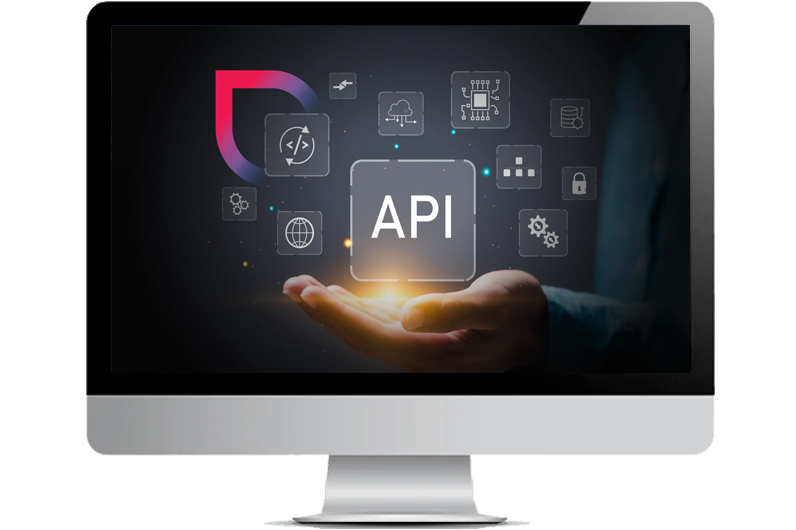
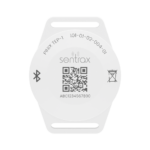
Integrate Sentrax RTLS hardware and location intelligence into your enterprise platforms using REST and WebSocket APIs, and modular headless engines with flexible deployment options which support both cloud-hosted (Sentrax Cloud) and on-premises environments.
REST & WebSocket APIs
Structured and real-time access to location and sensor data.
Modular Backend Engines
Positioning, rule, device, and sensor engines for tailored functionality.
Deployment Flexibility
Cloud-hosted or on-premises to suit enterprise infrastructure.
// RTLS Intelligence Stream
“omlox_certified”: true,
“positioning_engines”: true,
“modular_backend”: true,
“secure_api”: “REST_WS”,
“deployment”: “DOCKER_CLOUD”
}
STREAMING_ACTIVE
“event”: “ZONE_ENTRY”
“coords”: { “x”: 12.5, “y”: 8.1 }
“status”: “RTLS_INTELLIGENCE_LAYER”
Integration Ready Architecture
Solix RTLS integration SDK is designed to integrate RTLS capabilities directly into existing platforms, providing real-time location intelligence while preserving full control over user interfaces and business workflows
Infrastructure Bridge
Solix RTLS integration SDK functions as a middleware layer between RTLS infrastructure and enterprise platforms, delivering location intelligence without relying on a user interface.
- Real-time/Historical Positioning
- Zone, Room & Geofence Events
- Telemetry & Environmental Data
- Device Health & Status
- Alerts, Rules & Exception Events
Seamless Platform Integration
Solix RTLS integration SDK integrates with enterprise platforms such as:
- BMS (Building Management System)
- WMS (Warehouse Management System)
- ERP (Enterprise Resource Planning write the full forms)
- Healthcare & pharmaceutical management systems
- Emergency management platforms
Developer-friendly interfaces support both legacy systems and modern custom-built applications, enabling rapid adoption of location-aware capabilities.
Integration Channels
Solix provides the following integration channels, each serving a distinct architectural purpose.
API Integration
APIs provide structured, real-time, and historical access to RTLS data for partner platforms.
Capabilities
- Live location data streaming
- Historical data retrieval
- Device configuration access
- Rule and alert management
Technical Overview
- REST APIs for structured data access & configuration
- WebSocket APIs for real-time data streaming
- Secure communication over HTTPS/WSS
The platform supports both Solix and Omlox-compliant APIs, enabling flexible integration based on your needs.
Solix Modules
Solix Modules are optional add-ons that extend Solix APIs with enhanced real-time location and sensor data capabilities.
Solix Positioning Engine
Computes real-time BLE tag positions using:
- AoA: Advanced algorithms for accurate positioning across both simple and complex deployment scenarios, delivering sub-meter precision
- RSSI: Signal-strength-based distance estimation using trilateration providing mid-level accuracy
- Hybrid: Combines AoA and RSSI for multi-level accuracy and environmental insights.
Rule Engine (RE)
A rule-based automation engine that analyzes real-time location and sensor data to trigger intelligent, actionable events.
Key Capabilities
Configurable rule definitions based on:
- Geofencing
- Dwell time analysis
- Sensor threshold conditions
Supported Actions
- Notifications
- SMS
Example rules: “Alert if a person exits a specific zone.” “Send notification if temperature exceeds threshold.” Supported Actions: Email, Notification, SMS.
Sensor Engine
Enables reliable ingestion, aggregation, and processing of real-time environmental sensor data across connected environments.
Supported Sensor Data
- Temperature monitoring
- Humidity sensing
- Motion detection
Compatible Data Sources
- BLE-based sensor tags
- Third-party sensor devices leveraging Eddystone or iBeacon standards
Device Configuration Manager (DM)
A centralized control layer for provisioning, configuring, and managing RTLS devices throughout their operational lifecycle.
Core Capabilities
- Flexible device grouping with rich metadata for structured asset organization
- Continuous, real-time diagnostics with proactive health and performance monitoring
iFrame Embedding
Embed the Solix Platform UI into partner dashboards
Features
- Web-based UI integration
- Access to maps, alerts, and dashboards (based on Solix tier)
- No backend development required for visualization use cases
Deployment Options
On-Premises Deployment
Self-hosted deployment with all services encapsulated in Docker containers, offering full control over infrastructure and data.
Available Tiers: SOLIX Lite, SOLIX Standard, modular engine components, and Docker containers, including the Platform container, APIs container, Services container, Local MQTT, Local DB modular engine components.
Cloud-Hosted
A fully managed, cloud-native RTLS platform hosted and maintained by Sentrax, providing secure access via an intuitive web dashboard.
Available Tiers: SOLIX Lite, SOLIX Standard, and API access.
Partner Licensing Options
Security & Access Control
Built for Partners
Benefits
Seamless Integration & Flexibility
- Deep Compatibility: Integrates with BMS, WMS, and ERP systems, supporting both legacy and modern applications.
- Modular Architecture: Deploy only what you need (positioning, rule, or sensor engines) to reduce cost and complexity.
Real-Time Intelligence & Automation
- Live Data Access: Instant location and sensor insights via REST and WebSocket APIs.
- Automated Workflows: Trigger real-time alerts (SMS, email) based on geofencing, dwell time, or sensor thresholds.
Scalable & Secure Deployment
- Hosting Choice: Available on Sentrax Cloud or on-premises to align with IT policies.
Centralized Device Management
- Full Lifecycle Control: Streamlined provisioning, remote firmware updates, and health monitoring of devices for maximum up time.
- Asset Organization: Use metadata tagging and grouping for structured management at a scale.
Developer-Centric Architecture
- Interoperability: Omlox-compliant APIs ensure standardized integration without front-end dependencies.
Technical FAQs
The SOLIX RTLS Integration SDK is an API-first integration layer that enables organizations to connect Sentrax RTLS hardware, positioning data, sensor information, device data, and location-based events with their own applications and enterprise systems.
It allows partners and customers to use SOLIX RTLS capabilities without replacing their existing user interface or business workflows.
The SOLIX RTLS Platform provides a complete user interface with capabilities such as live maps, dashboards, heat maps, alerts, and device management.
The SOLIX RTLS Integration SDK is designed for organizations that want to integrate Sentrax RTLS capabilities into their own applications. Integration starts through APIs, while additional SOLIX backend modules can be added where required.
An iFrame option is also available when selected SOLIX visual components need to be embedded within another application.
Depending on the selected integration and modules, applications can access information such as:
- Real-time and historical location data
- Room, zone, and geofence events
- Environmental and sensor data
- Device status and health information
- Rule-based events and notifications
This allows RTLS information to be used directly within existing enterprise applications and workflows.
The SOLIX integration architecture supports:
- REST APIs for structured data access and configuration
- WebSocket APIs for continuous real-time data streaming
- HTTPS and WSS for secure communication
Additional interfaces may be available depending on the selected SOLIX architecture and deployment.
Yes. Partner applications can access both real-time positioning information and historical RTLS data, allowing organizations to support live operational workflows as well as reporting, analytics, movement history, and other historical applications.
The SOLIX Positioning Engine supports:
- BLE Angle of Arrival (AoA)
- BLE RSSI positioning
- Hybrid AoA + RSSI positioning
- GPS Positiong technology
This allows different positioning methods to be used according to the required accuracy and deployment architecture.
The SOLIX Positioning Engine is an optional backend module that converts data received from the RTLS infrastructure into real-time BLE tag positions. It supports AoA, RSSI, GPS positiong algorithms and can provide location intelligence to the third-party application.
The SOLIX Integration SDK features several modular engines that can be selected based on the specific requirements of an application:
- Positioning Engine: calculates real-time tag positions and the location history of tags.
- Rule Engine: evaluates the location and sensor data to trigger events and notifications.
- Device Manager: supports device configuration and health monitoring.
This modular architecture allows integrators to deploy only the capabilities needed for their specific solution.
Yes. SOLIX supports omlox-compliant integration, enabling standardized location data to be made available to compatible applications and systems where required.
Yes. The Integration SDK is designed to connect Sentrax RTLS data with systems such as:
- Building Management Systems (BMS)
- Warehouse Management Systems (WMS)
- Enterprise Resource Planning (ERP) systems
- Healthcare and pharmaceutical management systems
- Emergency management platforms
- Custom enterprise applications
This allows location intelligence to become part of existing business processes instead of operating as a separate application.
Yes. SOLIX supports self-hosted deployment using Docker containers, giving organizations greater control over their infrastructure and data. The available on-premises architecture can include platform services, APIs, local MQTT, local database components, and selected backend modules.
Yes. Sentrax also provides cloud-hosted deployment for supported SOLIX tiers and API access. This gives organizations the choice between Sentrax-managed cloud infrastructure and a self-hosted on-premises architecture.
SOLIX supports a modular integration approach. API integration is the first step and is required to connect SOLIX capabilities with a partner platform or custom application.
The SOLIX Integration SDK supports a modular architecture, allowing individual engines, such as the Positioning Engine and Rule Engine, to be deployed as headless modules without the complete SOLIX platform. Integrators can select the engines and backend components required for their specific application.
The SDK is designed primarily for:
- System integrators
- Software partners
- Solution providers
- Enterprises with existing applications
- Organizations developing custom RTLS solutions
It is particularly suitable when the organization wants to maintain its own user interface and workflows while using Sentrax RTLS capabilities in the backend.
The recommended starting point is to define the:
- RTLS use case
- Required positioning technology
- Required location and sensor data
- Target application or enterprise system
- Cloud or on-premises deployment model
- Additional SOLIX modules required
API integration forms the foundation of the integration. Additional capabilities, including positioning, rules, and device-management modules, can then be added according to the project requirements.
Sentrax can provide the relevant integration documentation and help define the appropriate architecture, licensing, and deployment scope for the project.
Request For Documentation
Connect with our integration engineering team to discuss technical requirements, API credentials, or a developer trial account.