

Use Cases of RTLS
Healthcare
How RTLS works in Healthcare?
RTLS in healthcare provides real-time visibility of medical equipment, patients, and staff, enabling faster decision-making and improved care delivery.
By digitizing hospital operations, RTLS helps:
- Reduce time spent searching for equipment
- Improve patient safety and experience
- Streamline workflows across departments
- Optimize resource utilization
- Lower operational costs
Medical Equipment Tracking
The Challenge
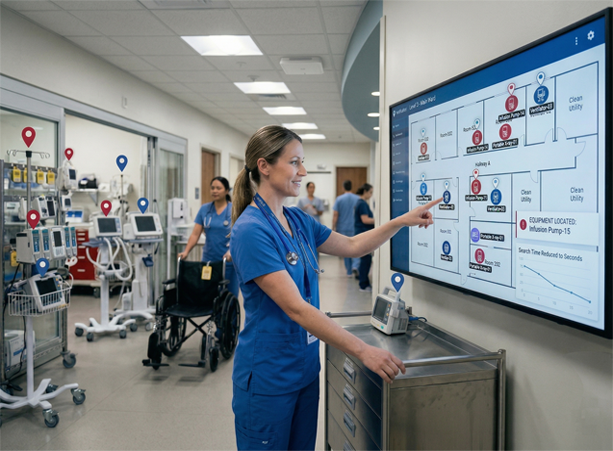
Clinical staff spend around 30 minutes per shift, sometimes up to 60 minutes, searching for equipment. Infusion pumps, ventilators, wheelchairs, and portable diagnostic devices get misplaced, hoarded, or underutilized. Emergency teams face life-threatening delays, and hospitals often end up purchasing expensive duplicates.
How RTLS Solves This?
A real-time dashboard shows the exact location of every movable device. Staff can locate equipment in seconds instead of 30 minutes, dramatically reducing search time. Utilization improves, theft drops, and critical assets are always ready for emergencies.
Business Impacts
- Locate equipment in seconds, not 30–60 minutes
- Improved utilization of critical medical devices
- Reduced theft and loss of equipment
- Lower capital expenditure on duplicate or replacement assets
Core RTLS System Components
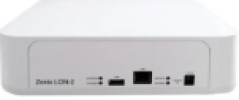
BLE AoA Scanners
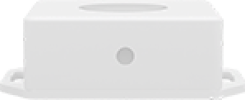
BLE Asset Tag with Multi-Sensor
SOLIX APIs
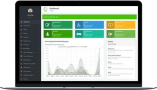
Hospital Management Platform from Partners
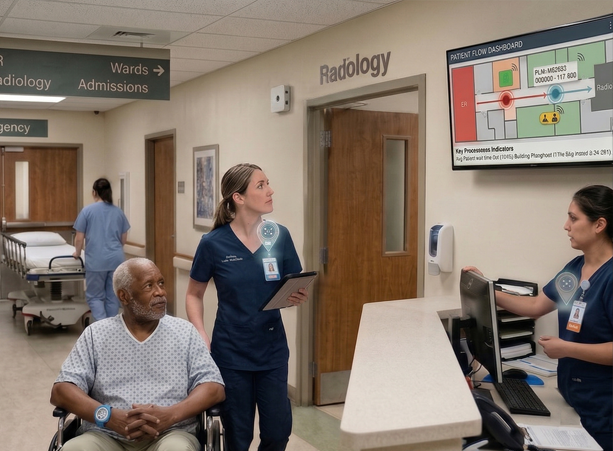
Patient Flow Optimization
The Challenge
Hospitals often face long ER wait times and delays in patient movement across departments such as labs, radiology, operating rooms, and wards. Without real-time visibility, staff struggle to identify bottlenecks, leading to overcrowded waiting areas, delayed diagnostics, and increased stress for clinical teams, all of which can impact patient safety and satisfaction.
How RTLS Solves This?
RTLS tracks patients in real time throughout their entire hospital journey, from admission to discharge. By providing instant visibility into each patient’s location, hospitals can optimize transfers between labs, radiology, surgery, and wards, streamline workflows, allocate staff efficiently, and ensure timely care for critical cases, transforming operational inefficiencies into coordinated, proactive patient management.
Core RTLS System Components
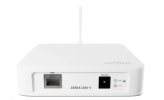
BLE RSSI Scanners
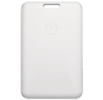
Smart Badge Tags or Patients & Staff
SOLIX APIs
Hospital Management Platform from Partners
Business Impacts
- 20–30% reduction in patient wait times
- Improved patient throughput
- Enhanced patient experience
Patient Safety & Monitoring
The Challenge
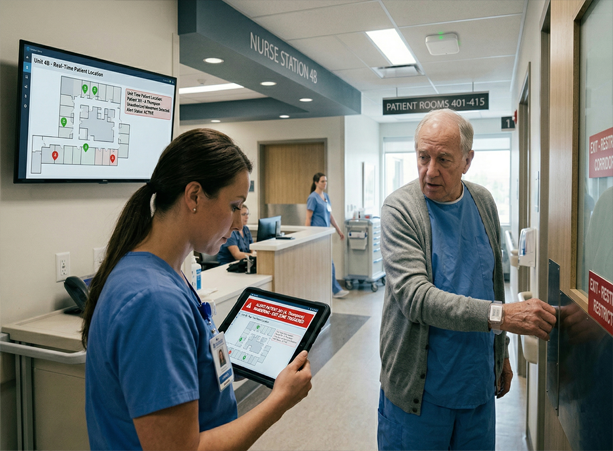
Hospitals face serious risks such as patient falls, wrong-patient procedures, and unauthorized movement, classified as never events that must be eliminated. Without real-time visibility, staff cannot effectively prevent wandering or elopement, especially in elderly or psychiatric units, increasing safety and compliance risks.
How RTLS Solves This?
Wearable tags enable continuous tracking, geofencing to prevent wandering, verification of patient identity before procedures, detection of falls, and instant alerts when patients enter restricted areas. Movement history strengthens audits and ensures safer, more compliant patient care.
Business Impacts
- 15–20% increase in staff time available for patient care
- Reduced clinical errors and safety risks
- Improved compliance and audit readiness
Core RTLS System Components
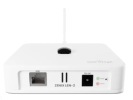
BLE Locator with Environmental Sensing
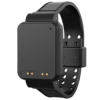
Tamper-Proof Wearable Tag
SOLIX APIs
Security Management Platform from Partners
Staff Safety & Emergency Response
The Challenge
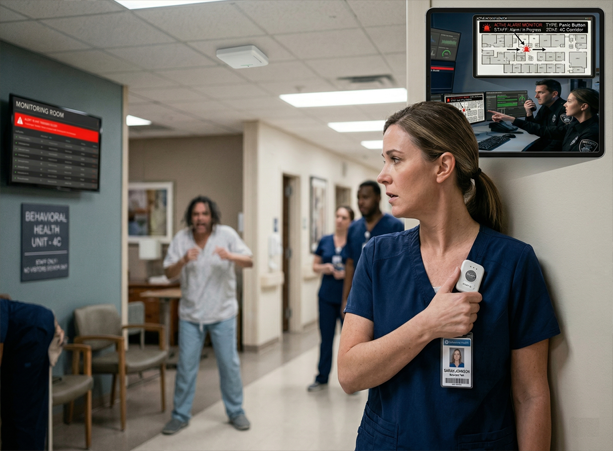
Healthcare workers, especially those in psychiatric and behavioral health facilities, often face situations requiring immediate assistance. Traditional wall-mounted panic buttons offer only zone-level alerts and are not always within reach, limiting rapid response and weakening workplace violence prevention efforts.
How RTLS Solves This?
Wearable staff badges with discreet SOS buttons send silent alerts with precise, real-time location data, allowing security or the monitoring room to respond instantly. Unlike fixed panic buttons, these badges are always within reach, ensuring staff can call for help the moment a threat arises.
Core RTLS System Elements
BLE RSSI Scanners
Wearable Tag with SOS
SOLIX APIs
Security Management Platform from Partners
Business Impacts
- 50–60% faster emergency response
- Improved staff safety and confidence
- Better incident management
Patient Flow & Bed Usage
The Challenge
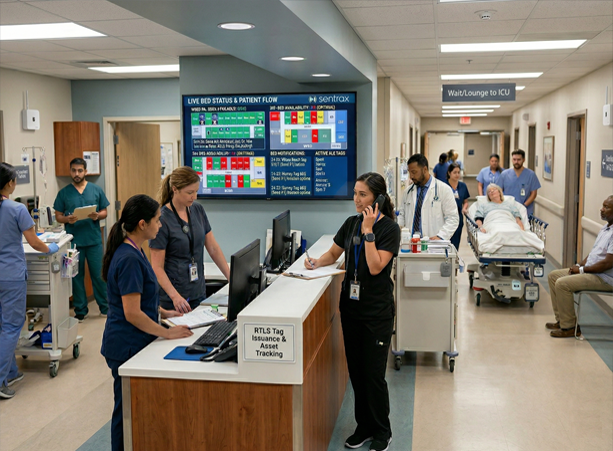
Hospitals struggle with delayed admissions, ER overcrowding, and inefficient patient allocation due to the lack of real-time visibility into bed availability. These gaps disrupt workflows, prolong transitions between departments, and worsen ED boarding, where patients wait excessively for beds, impacting both care quality and operational efficiency.
How RTLS Solves This?
RTLS enables automated, real-time tracking of bed occupancy, instantly updating availability the moment a bed is vacated, cleaned, or reassigned. This supports smoother admission and discharge workflows, reduces ED boarding, accelerates patient placement, and ensures a more efficient, continuous flow across the hospital.
Business Impacts
- 10–20% improvement in bed turnover efficiency
- Faster patient admissions
- Reduced ER congestion
Core RTLS System Elements
Hybrid BLE Scanners
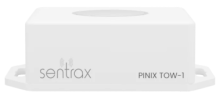
Hybrid Asset Tag
SOLIX APIs
Hospital Management Platform from Partners
Environmental & Climatic Monitoring
The Challenge
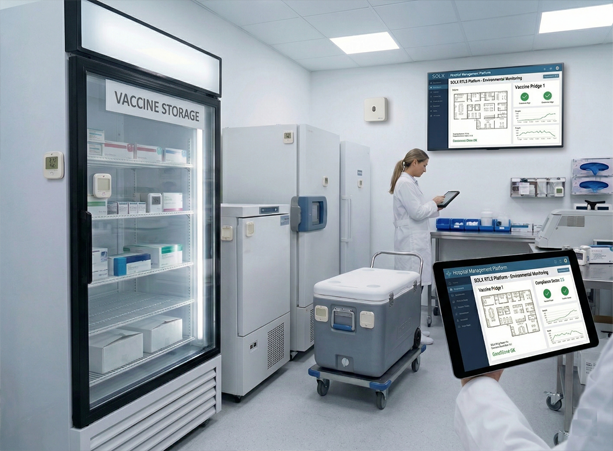
Critical areas such as pharmacies, ICUs, laboratories, and vaccine storage rooms require strict control of temperature, humidity, pressure, and air quality. Manual monitoring is time-consuming, inconsistent, and prone to errors, leading to compliance risks, workflow inefficiencies, and potential medication or vaccine spoilage.
How RTLS Solves This?
Integrated environmental sensors provide continuous monitoring with automated logging for regulatory compliance, triggering instant alerts when conditions deviate from set thresholds. The system also tracks environmental conditions during trolley-level medicine transport between departments, reducing spoilage and ensuring product integrity while safeguarding patient safety.
Core RTLS System Elements
BLE Gateway with Sensors
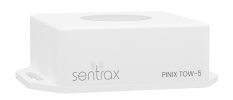
BLE Multi-sensor Tags
SOLIX APIs
Hospital Management Platform from Partners
Business Impacts
- Improved compliance with healthcare standards
- Reduced risk to sensitive equipment and medications
- Faster response to environmental changes
Infant Protection
The Challenge
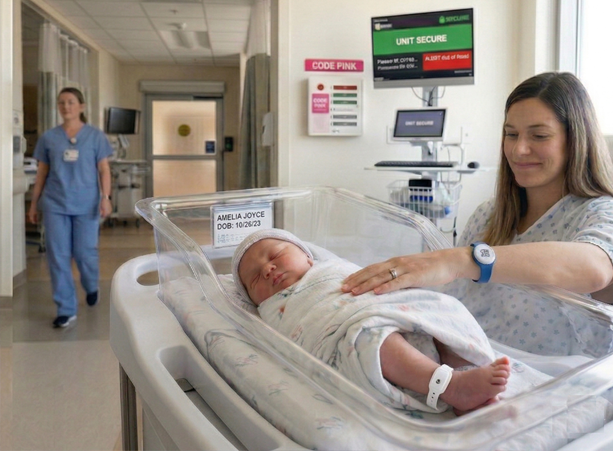
Infant abduction or mismatching is a critical safety risk in maternity units. Traditional systems often lack real-time alerting, reliable tamper detection, and continuous monitoring, limiting staff’s ability to prevent incidents and respond quickly.
How RTLS Solves This?
Soft, tamper-proof infant tags with secure mother-infant pairing enable continuous location tracking and immediate detection of strap removal or unauthorized movement. If an infant approaches a restricted zone or exit, the system automatically triggers a code pink alert, ensuring rapid and coordinated response across the hospital.
Business Impacts
- Enhanced newborn safety
- Faster emergency response
- Compliance with hospital security protocols
Core RTLS System Elements
Hybrid BLE Scanners
Wareable Tag with SOS
SOLIX APIs
Security Management Platform from Partners
Asset Availability for Critical Care
The Challenge
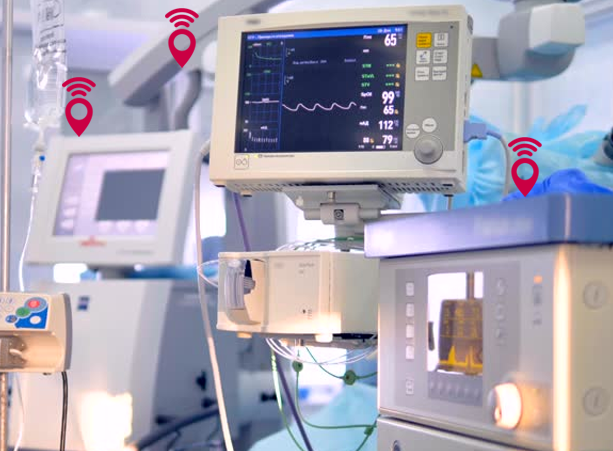
ICU and OR teams cannot afford to search for life-support equipment, yet limited visibility into critical assets often leads to delays in care. When internal availability is unclear, hospitals “play it safe” by over-ordering costly rentals, resulting in significant, unnecessary operational expenditure and inconsistent PAR-level readiness at the start of each shift.
How RTLS Solves This?
RTLS provides real-time visibility of all critical equipment across departments, ensuring 100% PAR-level compliance in high-acuity zones like the ICU. Automated alerts notify BioMed when clean or available devices drop below safety thresholds, triggering immediate replenishment and eliminating emergency rentals. With every ventilator, pump, and monitor location visible in seconds, teams always have the equipment they need, right when they need it.
Business Impacts
- 20–30% improvement in asset utilization
- Reduced rental and procurement costs
- Improved operational efficiency
Core RTLS System Elements
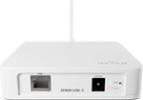
RSSI Scanners
Asset Tag
SOLIX APIs
Hospital Management Platform from Partners
Emergency Readiness
The Challenge
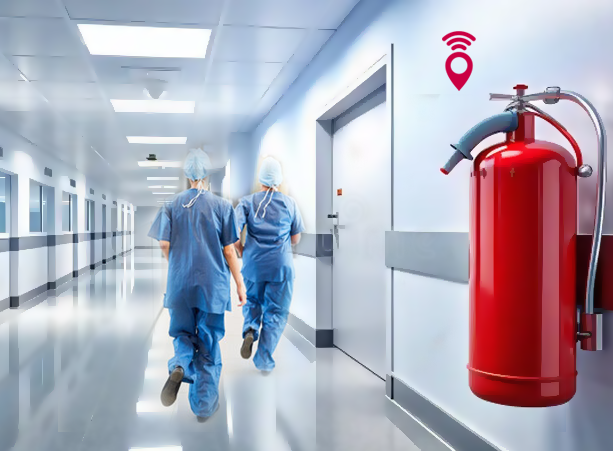
During emergencies such as fires, evacuations, or critical incidents, hospitals lack real-time visibility into staff and patient locations, delaying coordinated response, accountability, and workflow continuity. Manual mustering and roll calls can take 30–60 minutes or more, especially in large facilities, increasing safety risk and operational disruption.
How RTLS Solves This?
RTLS provides real-time tracking of staff and patients, automated muster reporting, and precise location data at every stage of an emergency, including climate and fire hazard sensors that feed integrated alerts to the monitoring room or emergency command centre. Within seconds, the system identifies who is safe, who needs assistance, and where responders should go, ensuring fast, coordinated emergency response and streamlined evacuation workflows
Core RTLS System Elements
BLE Scanners
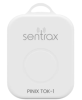
Smart BLE Badge Tag
SOLIX APIs
Security Management Platform from Partners
Business Impacts
- 40–60% faster emergency response
- Improved disaster management
- Enhanced staff coordination
Hand Hygiene Compliance Monitoring
The Challenge
Manual monitoring of hand hygiene compliance is inaccurate, time-consuming, and prone to bias. Hospitals struggle to ensure consistent adherence to hygiene protocols, increasing the risk of Hospital-Acquired Infections (HAIs), regulatory penalties, and patient safety concerns.
How RTLS Solves This?
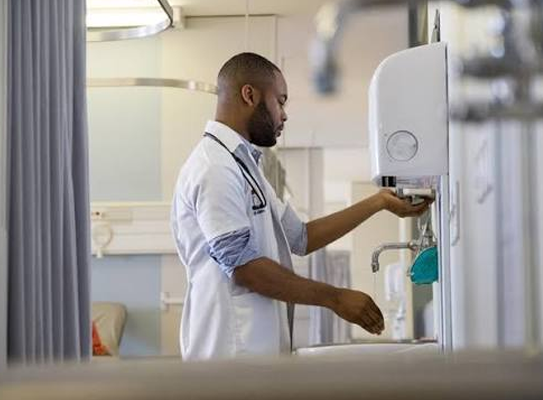
Sentrax RTLS automatically monitors hand hygiene compliance by passively tracking staff interactions with hygiene stations and patient care areas. Every compliance event is logged in real time, eliminating manual audits and providing accurate, objective reporting.
Business Impacts
- Reduced risk of Hospital-Acquired Infections (HAIs)
- Automated compliance monitoring and reporting
- Improved patient safety and infection control
- Increased staff accountability and regulatory compliance
Core RTLS System Elements
ZENIX
LEN Gateways
Personnel
BLE Badges
SOLIX RTLS Platform
& Compliance Dashboard
BiLink Anchors / Gateways
Bed-Level Asset Mapping & Availability
The Challenge
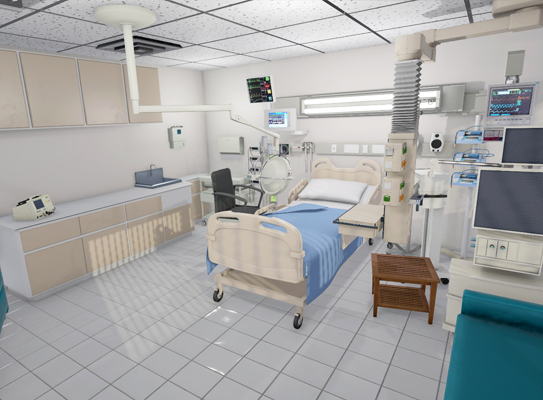
Hospitals rely on critical equipment such as ventilators, patient monitors, infusion pumps, and crash carts being available in the correct patient rooms and care areas. However, equipment is frequently moved between rooms. This results in wasted staff time, reduced equipment availability, delayed patient care, and operational inefficiencies.
How BiLink Solves This?
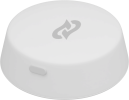
Sentrax BiLink delivers reliable room-level visibility by continuously identifying the exact room or care area where medical equipment is located. Using intelligent BiLink Anchor Beacons and BLE asset tags, the system automatically detects when assets move between patient rooms, ICUs, operating theaters, and storage areas, reducing search times and blind spots.
Core RTLS System Elements
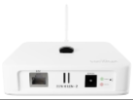
BLE RSSI
Scanners
PINIX
Asset Tags
SOLIX
RTLS APIs
Hospital Management Platform Integration
Business Impacts
- Real-time room-level visibility of critical medical equipment
- Faster location of ventilators, monitors, infusion pumps, and crash carts
- Reduced blind spots
- Reduced RTLS infrastructure cost
Transform Your Healthcare Operations with Sentrax RTLS Systems
Fill out the form below to request a demo, consultation, or evaluation kit.